


By Darby Kendall
Photo courtesy of PCC Foundation
Benjamin Franklin once wrote, “An investment in knowledge pays the best interest.”
The sentiment encapsulates why so many donors generously support the next generation of medical professionals, and George Staley is no exception.
A poet and collegiate instructor of writing and literature for decades, Staley understands the importance of education being accessible to all. Due to his own experiences receiving treatment at OHSU, Staley feels particularly passionate about supporting nurses in their educational journeys.
Staley was diagnosed with brain cancer in the summer of 2003 at 52 years old after having two seizures in one day. That September, he began treatment at OHSU through the Neuro-Oncology and Blood-Brain Barrier Program, which treats people with brain tumors by outwitting the brain’s natural defense, the blood-brain barrier, while also protecting cognitive functions. One year later, Staley completed his treatment, and he’s been grateful for its success ever since.
“It’s amazing that here I am, 22 years later, talking about it,” Staley said. “That was a long year, but I’m still here thanks to my doctors and nurses.”
Years after receiving treatment at OHSU, Staley had a moving experience with one of his writing students at Portland Community College, who also happened to be a nurse that assisted in his cancer care.
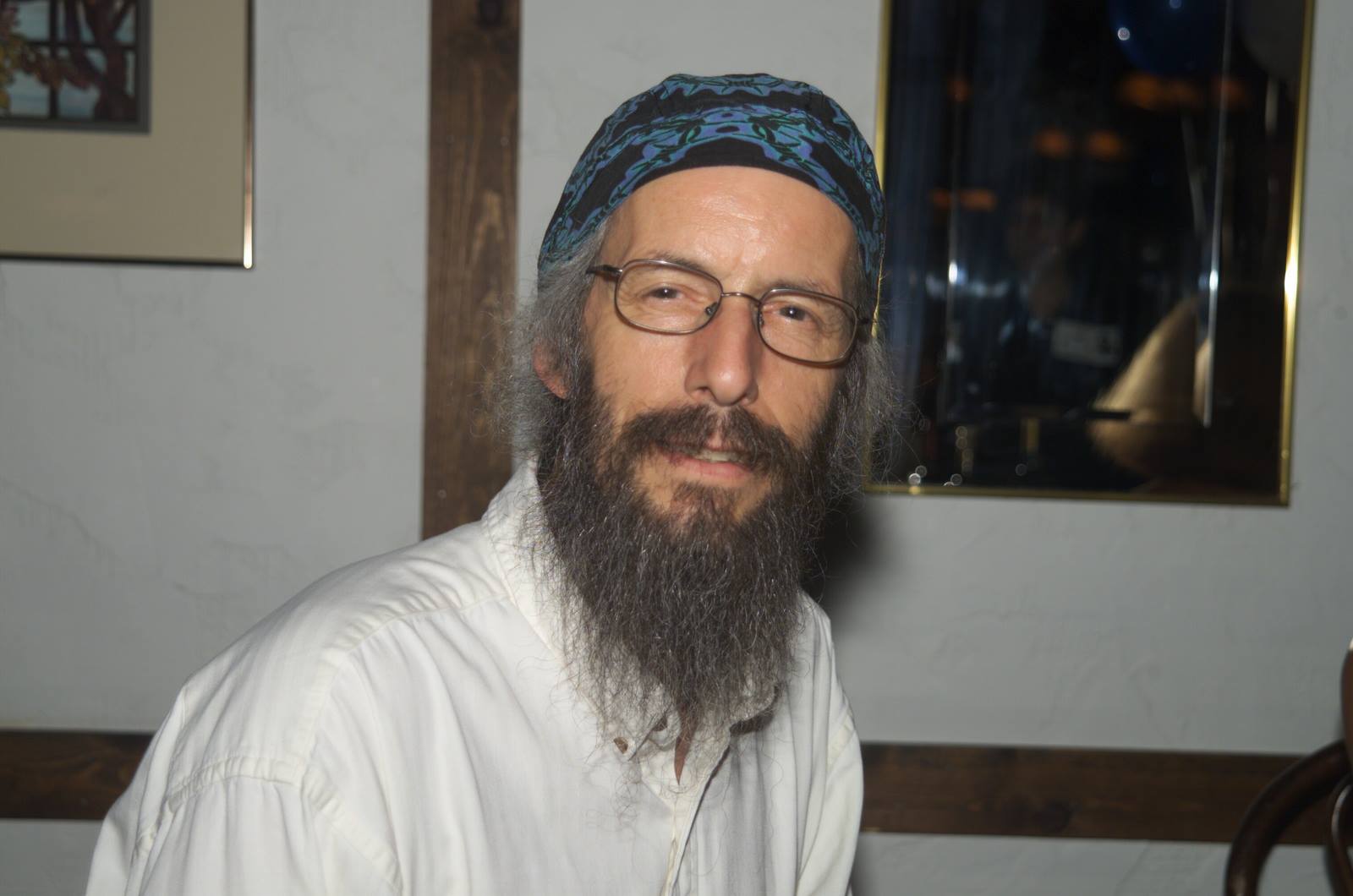
“I had a student who took a research writing class from me, and at the end of the term, she wrote me a note,” Staley remembered. “She said, ‘I remember when you were in the cancer ward,’ and that all the nurses who were also there wanted to sign a card for me. Nobody asked her and the other nurses to do that, and I appreciated that. They did it out of their own kindness.”
Staley also experienced moving interactions with nurses during his wife’s cancer treatment. Marie and George were childhood sweethearts who met in kindergarten and later built a life together. In 2018, Marie was diagnosed with leukemia — after being unable to get out of bed, George took her to the hospital, where she was diagnosed the same day.
“Once I brought her there, she never left the hospital. Twenty-six days later, she was gone. It was quick,” George said. “Over those 26 days I saw a lot of her nurses, and everybody was just great. That’s one of the reasons I care so much about nursing.”
Inspired by his interactions over the years, George recently created an endowed scholarship for the OHSU School of Nursing.
“My idea is to help as many people as possible,” George said. “I wouldn’t want somebody to go to school for three and a half years and then have to drop out because they don’t have any money. Any scholarship support I can give to a student nurse means that student doesn’t have to borrow that money and they can complete their four years of schooling.
“I think about this a lot. I swim a mile a day, and when you swim laps, you think about a lot of things,” George continued. “I always remember that when I was going to school as a kid, somebody who didn’t have kids paid taxes so I could go. I didn’t ask them to, and I didn’t really think about it, but I benefited from it. That’s kind of my train of thought with this scholarship. Somebody stood up and paid their taxes for when I went to school, and I can do that now; I can help people.”
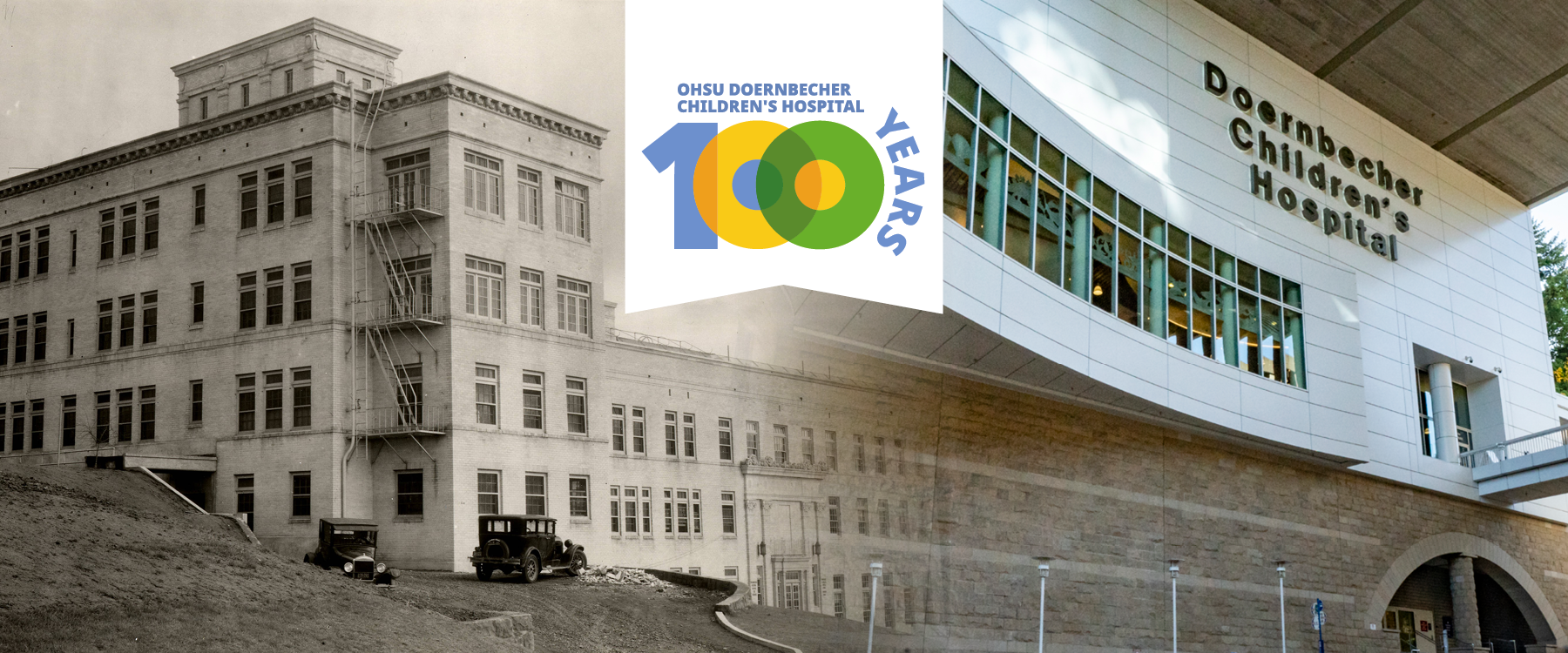
Nursing isn’t the only area George has chosen to support at OHSU. He has also named OHSU Doernbecher Children’s Hospital in his will, as he believes that children are the future and their health is worth supporting. During his cancer treatment at OHSU, George’s audiology tests were conducted at Doernbecher, where he saw directly how children were supported at the hospital.
“When you go to Doernbecher, you see the sick children firsthand, and if that doesn’t move somebody into helping, I don’t know what would,” George said. “The hardest part of my chemo was knowing that I had to go back for another audiology test because I knew I was going to be sitting with kids and families that were facing tough times. OHSU and Doernbecher need nurses to help the kids too, so the more nurses I can help as well, the better off we all are.”
When it comes to his giving, George doesn’t expect much in return — his mind just goes back to those thoughts that cycle through his head while swimming laps. If a recipient of his philanthropy is inspired to pay it forward in the future too, that’s all he can hope for.
“If I can help somebody, I will. When you give a gift, there’s no expectation of anything in return. Otherwise, it’s not a gift; it’s a transaction,” George said. “When I give to scholarships and to Doernbecher, those people never have to thank me. I just hope that down the road they remember that somebody who didn’t know them stood up and said, ‘You know what, I’ll help you out,’ and that, if they get the chance, they might be able to do the same thing.”
Community | Giving
Giving

Community | Giving